An overview of acute inflammation
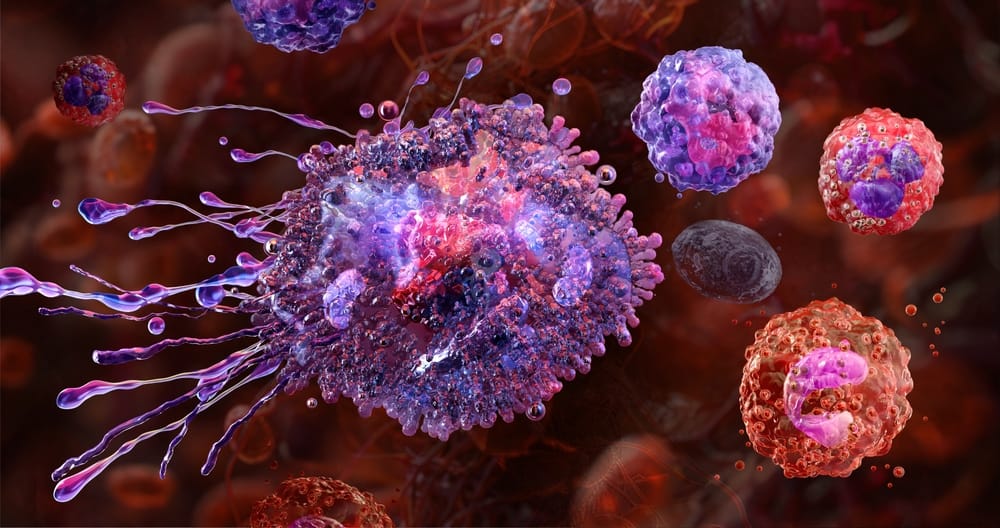
Acute inflammation is the body’s natural defense system, activated when tissues are injured or invaded by harmful substances like bacteria, viruses, or foreign particles. Its goal is to remove the threat and help the body return to normal.
Acute inflammation happens in three stages:
1. Amplification: The body calls in immune cells, such as white blood cells called macrophages and neutrophils, to the site of injury. These cells help fight off infections and clean up damaged tissue.
2. Destruction and repair: The immune cells engulf and destroy harmful substances while beginning to repair the damaged tissue.
3. Termination: Once the threat is removed, the body naturally slows down the inflammatory response so tissues can heal without excessive damage.
Inflammation usually occurs after some form of tissue injury, which can result from infections, cuts, hits, burns, chemical exposure, allergic reactions, or poor blood flow. Classic signs of inflammation include redness, swelling, pain, warmth, and loss of function.
A typical inflammatory response involves four main players:
1. Inducers: The cause of the inflammation, such as bacteria, viruses, or physical injury.
2. Sensors: Cells like mast cells (trigger allergic reactions), dendritic cells (alert the immune system), and macrophages (clean up pathogens and damaged cells).
3. Mediators: Chemical signals called cytokines that tell immune cells where to go and what to do.
4. Target tissues: The parts of the body affected, often including the liver, blood vessels, and skin.
In short, acute inflammation is the body’s way of protecting itself and starting the healing process whenever tissues are damaged or under threat.
The Boom Health app allows users to book registered nurses, personal support workers, and personal care services, schedule transportation, order prepared meals, rent or purchase medical equipment, and get emergency assistance. Download the app from the App Store or Google Play Store.
This article is not intended to be a substitute for professional medical advice or diagnosis. Always seek the advice of your physician or another qualified health provider with any questions you may have regarding a medical condition.