Understanding the science behind opioids
Opioids are a class of drugs derived from compounds found in the dried latex of the poppy plant’s seed capsule. They act on the central nervous system to produce several physiological effects, most notably pain relief. Opioids are considered the gold standard for managing moderate to severe pain; however, they are also among the most commonly misused prescription medications.
Opioids relieve pain by altering the way neurons (nerve cells) generate and transmit electrical signals related to pain. They act at multiple levels of the nervous system. In the brainstem, an area responsible for regulating essential automatic functions such as breathing, opioids can suppress respiratory activity. In the limbic system, which regulates emotions and reward, opioids can increase feelings of pleasure and well-being. In the spinal cord, they interfere with the transmission of pain signals traveling from the body to the brain.
The analgesic effects of opioids arise through several key mechanisms:
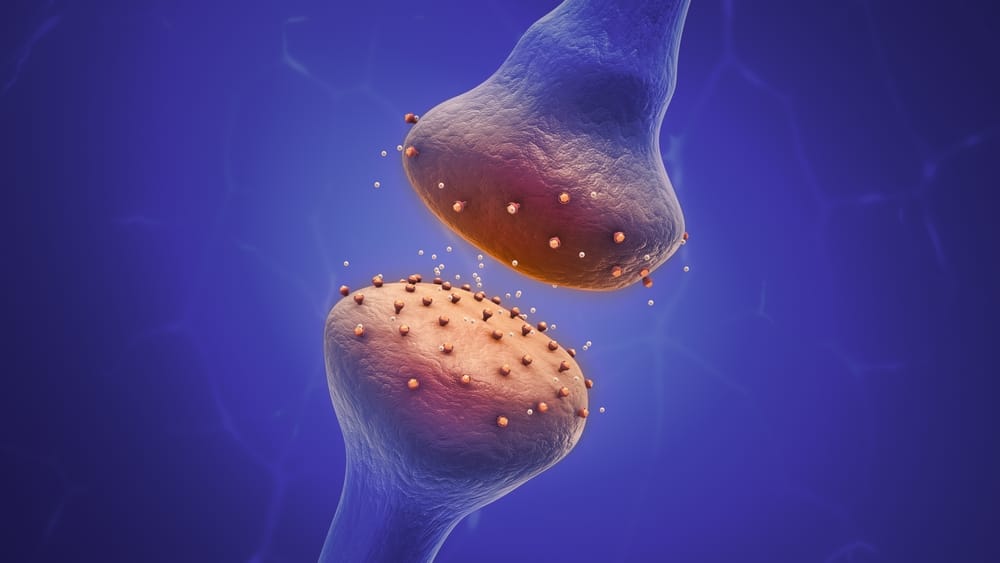
1. Presynaptic inhibition: When an opioid binds to receptors on the presynaptic neuron, it causes potassium channels to open or calcium channels to close. This reduces the release of neurotransmitters that normally transmit pain signals across the synapse. With fewer neurotransmitters released, the neuron’s ability to propagate pain signals decreases, resulting in reduced transmission of pain along the neural pathway.
2. Postsynaptic inhibition: Opioids also affect the postsynaptic neuron. Binding of the opioid to its receptor opens potassium channels, which lowers the cell’s membrane potential and causes hyperpolarization. This makes it more difficult for the neuron to reach the threshold required to generate an action potential. As a result, the postsynaptic neuron becomes less excitable, further limiting the continuation of pain signals through the nervous system.
3. Modulation of pain-processing regions in the brain: Opioids influence several brain regions involved in interpreting and regulating pain perception. By altering neural activity in these areas, opioids reduce the brain’s perception of pain and enhance descending inhibitory pathways that suppress incoming pain signals.
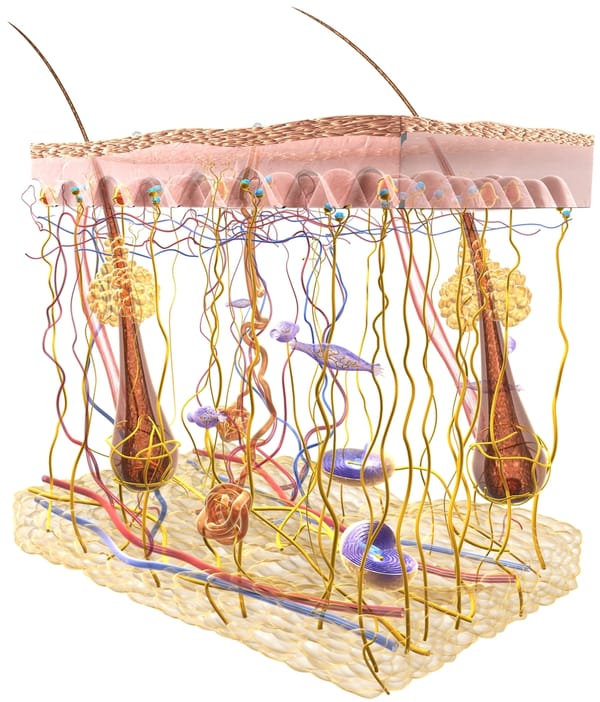
4. Reduced activity of peripheral nerve endings: Inflammatory cells can release endogenous opioids at sites of tissue injury or inflammation. These locally released opioids bind to receptors on nearby free nerve endings (nociceptors), decreasing their excitability. This reduces the transmission of pain signals from peripheral tissues to the central nervous system and contributes to the overall analgesic effect.
The Boom Health app provides trusted, vetted caregivers that can help meet your loved one’s specific needs. You can have peace of mind knowing that someone is always watching you or your loved one, offering support, and assisting with daily activities. If you are interested in booking care for you or your loved one, download the Boom Health app on the App Store or Google Play Store.
This article is not intended to be a substitute for professional medical advice or diagnosis. Always seek the advice of your physician or another qualified health provider with any questions you may have regarding a medical condition.