Understanding the science behind sleep
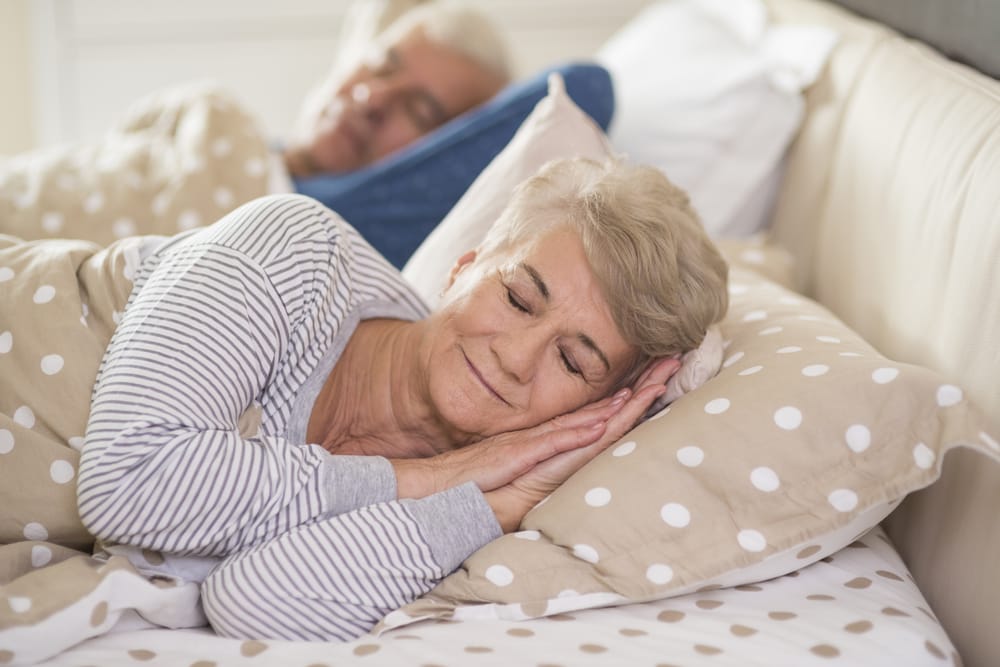
Sleep is a natural state of unconsciousness in which you are largely unaware of yourself and your surroundings. It plays a critical role in overall health by reducing stress, improving mood, and lowering the risk of many chronic conditions. In contrast, insufficient or poor-quality sleep can impair information processing, emotional regulation, and memory formation.
Sleep occurs in repeating 90-minute cycles, each made up of four distinct stages. The first three stages are known as non–rapid eye movement (non-REM) sleep, followed by rapid eye movement (REM) sleep.
Stage 1 (light sleep) is the transition from wakefulness to sleep and is dominated by theta waves, which are slow, low-frequency brain waves. During this stage, people may experience unusual sensations such as feeling like they are falling or briefly hearing or seeing things that aren’t there. Sleep is very light, and individuals can be easily awakened.
Stage 2 (deeper light sleep) is characterized by the presence of sleep spindles and K-complexes, along with theta waves. Sleep spindles are brief bursts of brain activity, while K-complexes help suppress arousal and protect sleep from external disturbances. Because this stage is deeper than Stage 1, it becomes more difficult to wake someone.
Stage 3 (deep sleep) is the deepest stage of non-REM sleep and is dominated by delta waves, which are slower and lower in frequency than theta waves. This stage is essential for physical restoration, memory consolidation, and immune function. Sleepwalking and sleep talking may occur here, and waking someone during this stage is particularly difficult.
REM sleep is marked by rapid eye movements beneath the eyelids and temporary paralysis of most voluntary muscles. Brain activity increases, and this is when most vivid dreaming occurs. REM sleep plays an important role in learning, memory, and emotional processing.
Over the course of the night, people typically cycle through these stages four to five times. Each cycle generally follows this pattern: Stage 1 → Stage 2 → Stage 3 → Stage 2 → REM → Stage 1. The amount of time spent in each stage varies depending on age and how long a person has been asleep, with deeper sleep occurring earlier in the night and longer REM periods later on.
The Boom Health app allows users to book registered nurses, personal support workers, and personal care services, schedule transportation, order prepared meals, rent or purchase medical equipment, and get emergency assistance. Download the app from the App Store or Google Play Store.
This article is not intended to be a substitute for professional medical advice or diagnosis. Always seek the advice of your physician or another qualified health provider with any questions you may have regarding a medical condition.