Understanding the science behind touch
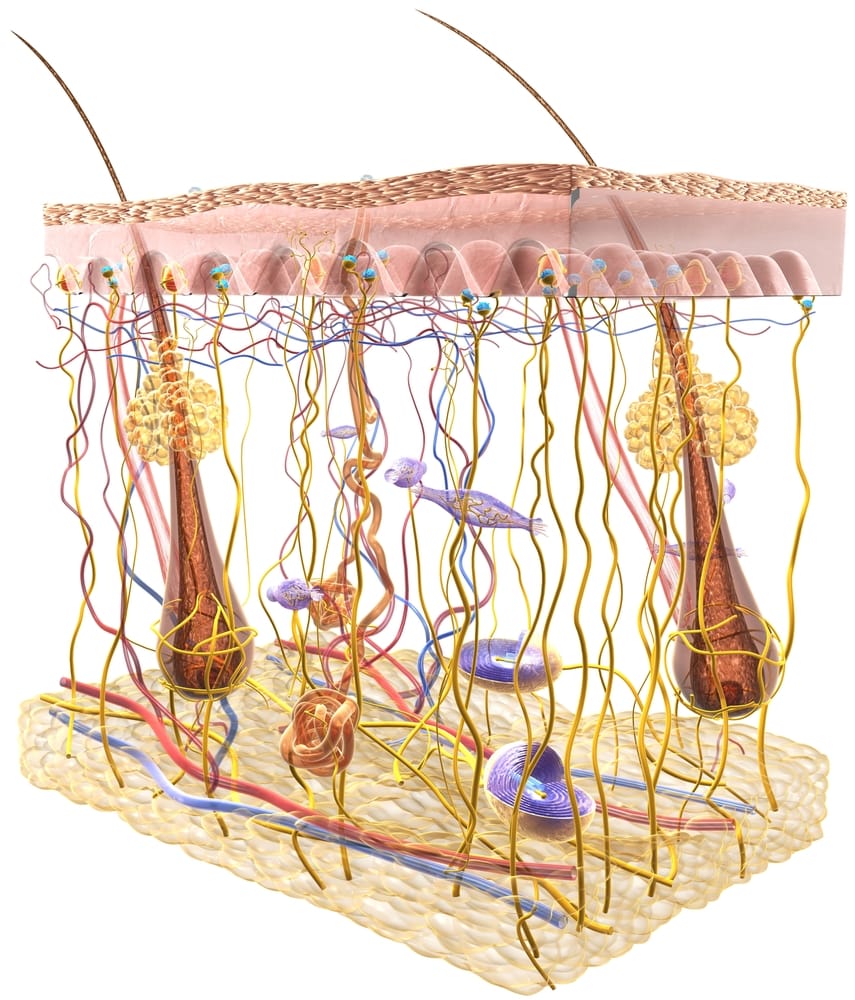
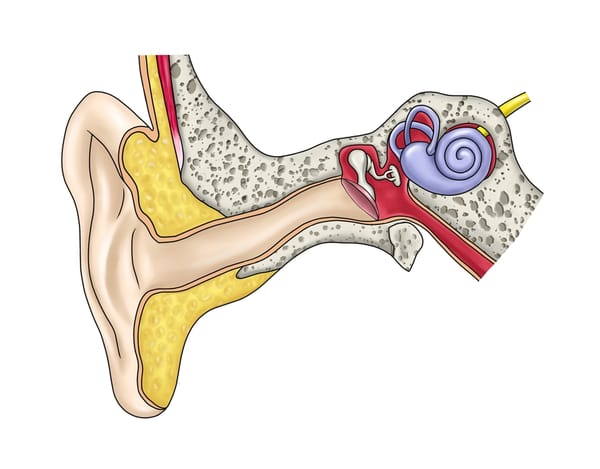
Mechanoception is the sensory system responsible for detecting pressure and mechanical forces. It enables organisms to perceive touch, vibrations, sound, and changes in pressure in their environment. Mechanoreceptors, the specialized sensory cells responsible for mechanoception, can be found in the skin, blood vessels, and inner ear, allowing the body to respond to mechanical stress, sound waves, and even gravity.
There are four main types of mechanoreceptors, each with distinct structures and functions:
1. Meissner’s corpuscles are located in the dermis (the second layer of the skin) and are highly sensitive to light touch and low-frequency vibrations. They are fast-adapting, meaning they respond quickly to changes in stimuli but stop responding to constant pressure. These receptors are particularly important for detecting textures and small movements across the skin, such as when reading Braille or feeling a gentle brush.
2. Merkel receptors are specialized neurons in the dermis that release neurotransmitters when mechanically stimulated. Unlike Meissner’s corpuscles, they are slow-adapting, responding continuously to constant pressure. This makes them essential for sensing fine details and shape, such as holding an object and recognizing its edges.
3. Ruffini endings are sensory dendrites wrapped in elongated capsules, also located in the dermis. They are slow-adapting and respond to sustained stretch or pressure, helping the body detect skin stretch, finger position, and joint movement, which are important for hand coordination and grip control.
4. Pacinian corpuscles are found in the hypodermis (the deepest layer of the skin) and have a nerve ending encased in layers of connective tissue. They are fast-adapting and respond primarily to rapid changes in pressure or vibration, such as a sudden tap or vibration. They are highly sensitive to high-frequency stimuli, allowing us to detect sudden impacts or fine vibrations in the environment.
Together, these mechanoreceptors allow humans to explore textures, perceive vibrations, maintain balance, and respond to changes in our surroundings. By integrating signals from these receptors, the nervous system can generate precise and coordinated responses, supporting both daily activities and complex motor skills.
The Boom Health app provides trusted, vetted caregivers that can help meet your loved one’s specific needs. You can have peace of mind knowing that someone is always watching you or your loved one, offering support, and assisting with daily activities. If you are interested in booking care for you or your loved one, download the Boom Health app on the App Store or Google Play Store.
This article is not intended to be a substitute for professional medical advice or diagnosis. Always seek the advice of your physician or another qualified health provider with any questions you may have regarding a medical condition.