Understanding the science behind vision
Vision is the sense that allows us to perceive the world through sight. It is a highly complex process that requires the coordinated function of multiple structures in the eye and brain to interpret light and form clear images of our surroundings.
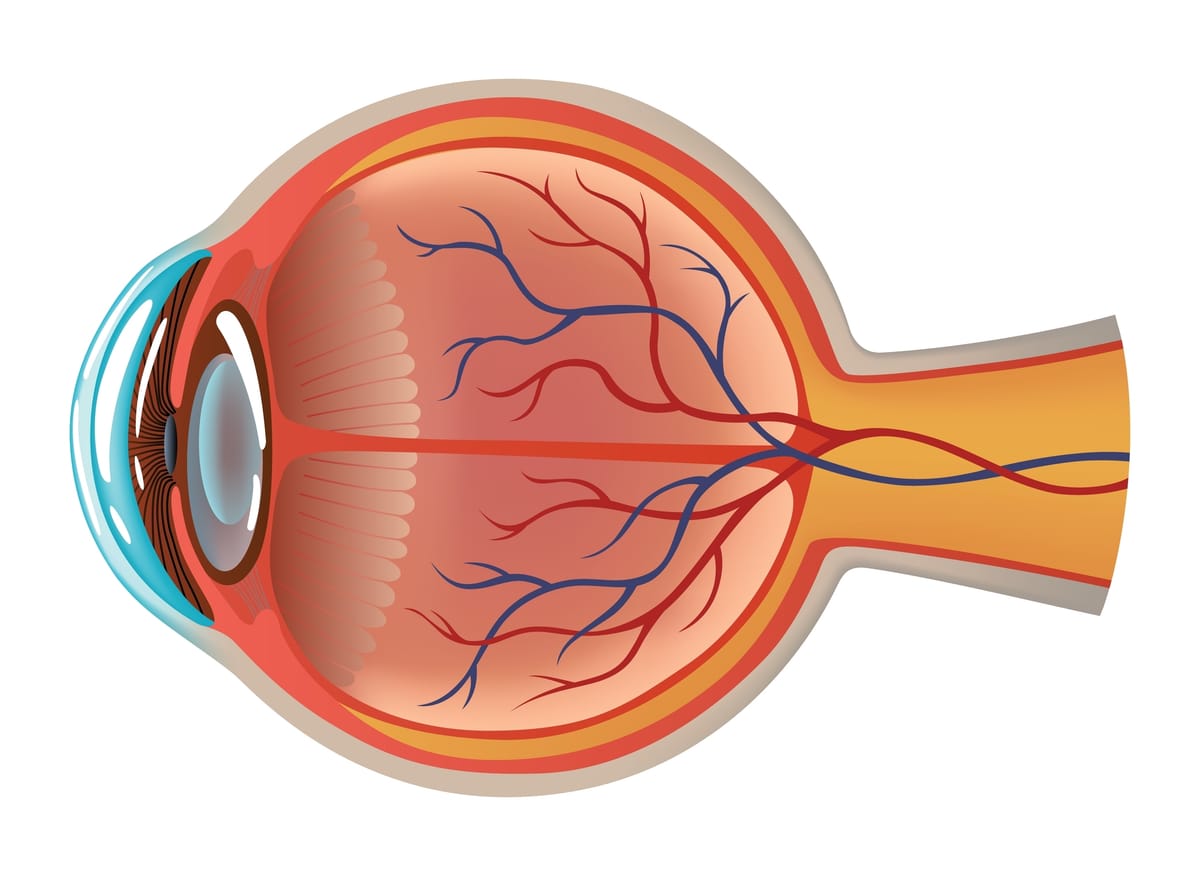
The process of vision begins when light enters the eye and first passes through the cornea, a thick, transparent layer of fibrous tissue. The cornea helps bend, or refract, light to begin focusing it toward the back of the eye. The lens further adjusts the direction of light, fine-tuning the focus so it lands precisely on the fovea, a small central region of the retina responsible for sharp vision. The lens is flexible and its shape is adjusted by suspensory ligaments, allowing us to focus on objects at different distances, a process known as accommodation.
The retina contains two main types of photoreceptor cells: rods and cones. Rods are highly sensitive to low light and are crucial for peripheral vision and night vision. Cones detect color and provide detailed central vision, enabling us to perceive fine detail and vibrant hues.
When light hits these photoreceptors, it is converted into electrical signals that travel to the brain via the optic nerve. Once the signals reach the brain, different regions work together to process and interpret the information. The visual cortex in the outer brain analyzes depth, movement, shape, and color. The brain uses parallel processing, simultaneously detecting multiple visual components, such as form, motion, and color, to create a coherent, detailed image of the world.
The Boom Health app allows users to book registered nurses, personal support workers, and personal care services, schedule transportation, order prepared meals, rent or purchase medical equipment, and get emergency assistance. Download the app from the App Store or Google Play Store.
This article is not intended to be a substitute for professional medical advice or diagnosis. Always seek the advice of your physician or another qualified health provider with any questions you may have regarding a medical condition.