A simple guide to the anti-inflammatory diet
Inflammation is a natural and essential part of the body’s healing response. When you experience an injury or infection, your immune system activates inflammatory pathways to protect and repair tissues. This process involves white blood cells releasing chemicals into affected areas, often leading to redness, warmth, swelling, or discomfort due to increased blood flow.
While acute inflammation is helpful, chronic low-grade inflammation can contribute to a range of long-term health conditions, including heart disease, type 2 diabetes, arthritis, and certain cancers. Diet plays an important role in influencing inflammation levels in the body, which is where the anti-inflammatory diet comes in.
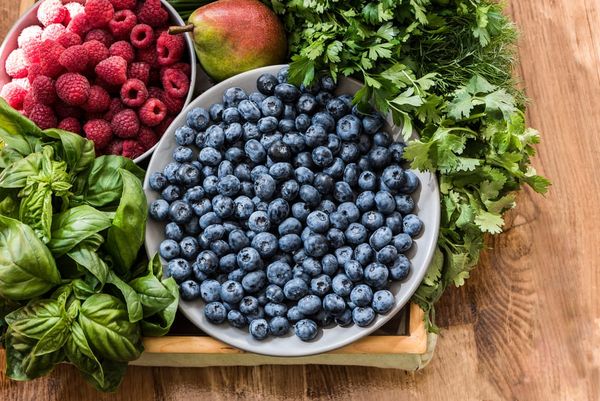
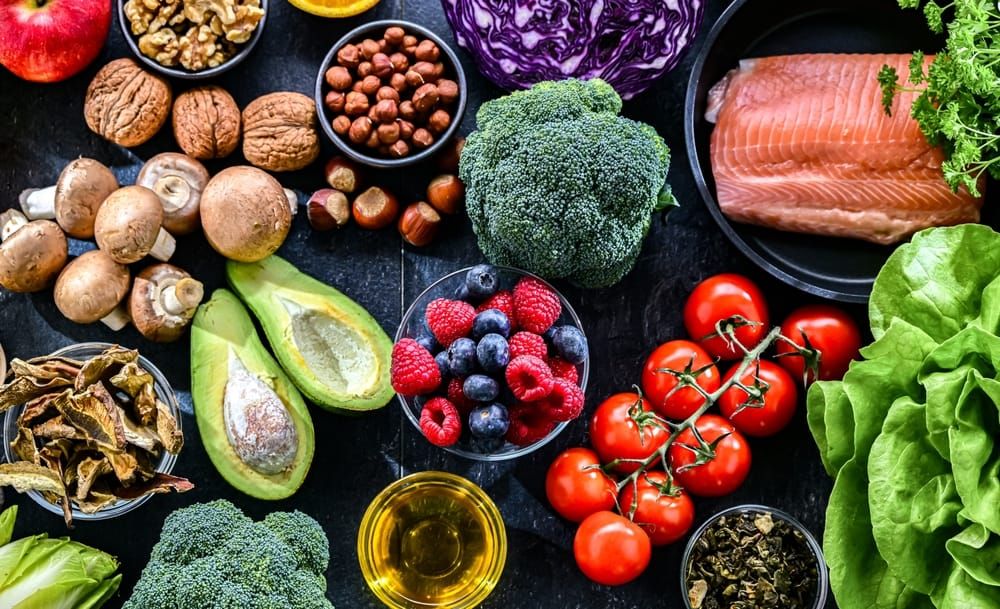
The anti-inflammatory diet focuses on incorporating foods that help reduce inflammation and support overall health. Key components include fatty fish such as salmon, sardines, and tuna, which are rich in omega-3 fatty acids known for their anti-inflammatory effects. It also emphasizes a wide variety of colourful fruits and vegetables, which provide antioxidants and phytonutrients that help protect cells from damage.
Nuts and seeds are also an important part of this eating pattern, as they contain healthy fats and plant-based compounds that may help reduce inflammation. However, because they are calorie-dense, it is best to enjoy them in moderation, typically a small handful per day. Legumes such as beans and lentils are also beneficial due to their high fibre content, antioxidants, and ability to support stable blood sugar levels.
In contrast, certain foods may promote inflammation when consumed in excess. These include processed meats, refined carbohydrates such as white bread and pastries, and foods high in trans fats. Reducing these in your regular diet can help support better long-term health outcomes.
Adopting an anti-inflammatory eating pattern may offer several potential benefits, including improved energy levels, better mood regulation, enhanced blood sugar control, and a reduced risk of chronic disease. While individual results vary, many people find this approach both sustainable and flexible.
To help maintain this way of eating, simple strategies can make a meaningful difference. Meal prepping in advance can reduce reliance on processed or convenience foods during busy weeks. Creating a grocery list before shopping can also help you stay focused on whole, nutrient-dense foods. In addition, maintaining good hydration supports overall bodily function, including temperature regulation, nutrient transport, and organ health.
Over time, small and consistent dietary choices can play an important role in reducing inflammation and supporting overall well-being.
The Boom Health app allows users to book registered nurses, personal support workers, and personal care services, schedule transportation, order prepared meals, rent or purchase medical equipment, and get emergency assistance. Download the app from the App Store or Google Play Store.
This article is not intended to be a substitute for professional medical advice or diagnosis. Always seek the advice of your physician or another qualified health provider with any questions you may have regarding a medical condition.