
How Alzheimer’s disease develops over time
Alzheimer’s disease is a progressive neurodegenerative condition that affects brain function over time. It is one of the most common causes of dementia, impacting memory, thinking, language, judgment, and the ability to carry out everyday tasks. It is estimated to affect over 10% of individuals aged 65 and older, with risk increasing with age.
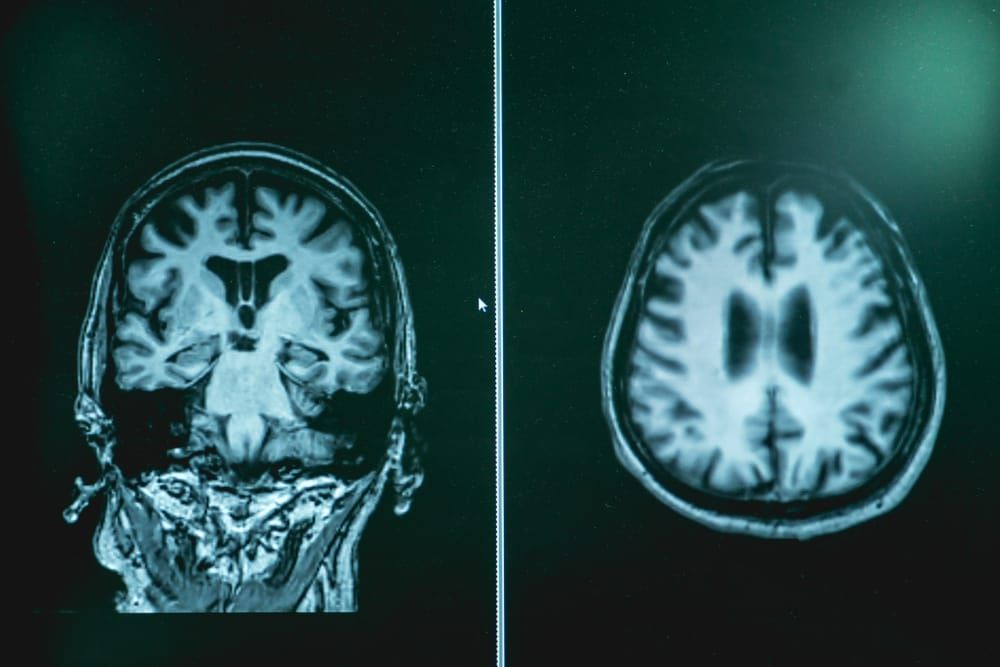
Although the exact cause of Alzheimer’s disease is not fully understood, it is strongly associated with the abnormal accumulation of amyloid-beta protein around brain cells. In some cases, genetic mutations can lead to improper processing of amyloid precursor protein, resulting in the buildup of amyloid-beta. Over time, these changes are associated with widespread neuronal damage and brain atrophy, or shrinkage, which contributes to the cognitive decline seen in the disease.
Alzheimer’s disease is typically understood as a continuum that progresses gradually over time, with symptoms becoming more pronounced as the condition advances.
The earliest phase is known as preclinical Alzheimer’s disease. During this stage, there are no noticeable symptoms, although changes in the brain may already be occurring. This stage can last for many years, or even decades, before clinical signs appear.
The next stage is mild cognitive impairment due to Alzheimer’s disease. At this point, individuals may begin to notice subtle changes in memory or thinking skills, but these changes are not yet severe enough to significantly interfere with daily life or independence.
This may progress to mild dementia, where symptoms become more apparent and begin to affect some everyday activities. Common signs include increasing memory loss, difficulty finding words, changes in personality or mood, and frequently misplacing items.
In moderate dementia, cognitive decline becomes more significant and begins to interfere with most daily activities. Individuals often require greater support with self-care tasks, become more forgetful, and may experience increased confusion in familiar settings.
The final stage is severe dementia, in which there is profound impairment in both cognitive and physical function. At this stage, individuals typically require full-time assistance, as symptoms affect nearly all aspects of daily living.
Overall, Alzheimer’s disease is a progressive condition that gradually changes how the brain functions over time. Understanding its stages can help families and caregivers recognize changes earlier and provide more appropriate support as the disease advances.
Love them without losing yourself. The Boom Health app helps you manage your loved one’s home care in one app. Download the app from the App Store or Google Play Store.
This article is not intended to be a substitute for professional medical advice or diagnosis. Always seek the advice of your physician or another qualified health provider with any questions you may have regarding a medical condition.