
Diet strategies to support cardiovascular wellness
Heart disease remains the leading cause of death worldwide. Over an average lifetime, the heart beats approximately 2.5 billion times, continuously pumping blood, delivering oxygen and nutrients, and removing metabolic waste. However, factors such as poor diet, physical inactivity, smoking, genetics, and certain medical conditions can increase the risk of cardiovascular disease and heart failure.
While some risk factors cannot be changed, adopting heart-healthy eating habits can help support cardiovascular wellness. Several dietary patterns have been studied for their role in improving heart health and reducing disease risk.
Here are three popular diets that may help promote a healthier heart:
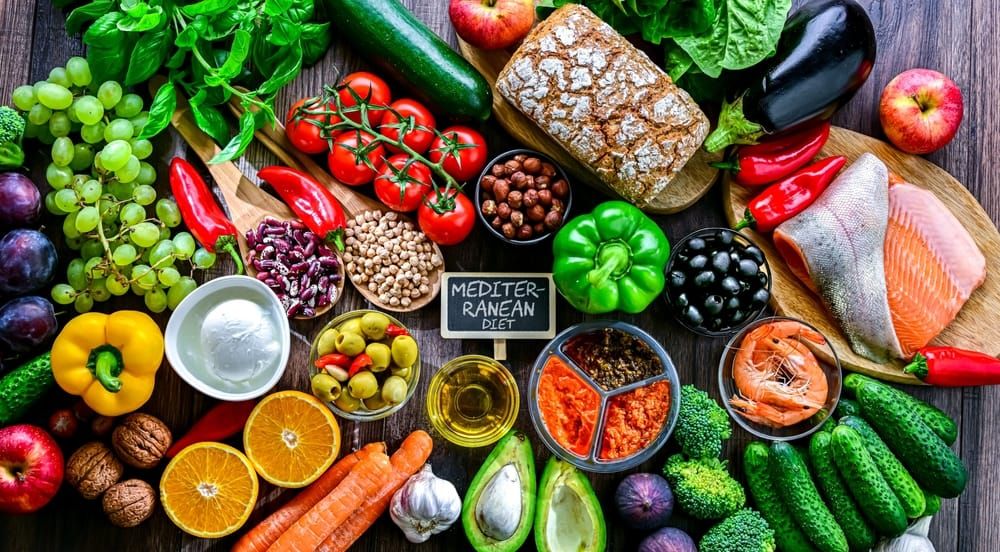
1. The Mediterranean Diet: Inspired by traditional eating patterns from Mediterranean countries, this diet emphasizes whole, minimally processed foods, including vegetables, fruits, legumes, whole grains, nuts, seeds, and healthy fats such as olive oil. It also includes moderate amounts of fish, seafood, poultry, eggs, yogurt, and cheese while limiting highly processed foods and excessive red meat. Research has linked the Mediterranean diet with improved heart health, including lower risks of cardiovascular disease and stroke, likely due to its high fiber, antioxidant, and healthy fat content.
2. The Therapeutic Lifestyle Changes (TLC) Diet: This diet focuses on improving cholesterol levels and reducing cardiovascular risk. It emphasizes limiting saturated fats to less than 7% of daily calories and dietary cholesterol to under 200 mg per day. Similar to the Mediterranean diet, the TLC diet encourages vegetables, fruits, whole grains, legumes, and lean proteins. It also includes options such as skinless poultry and lean meats as part of a balanced approach to heart health.
3. The Dietary Approaches to Stop Hypertension (DASH) Diet: The DASH diet was developed to help prevent and manage high blood pressure, a major risk factor for heart disease and stroke. This diet emphasizes foods rich in potassium, calcium, magnesium, fiber, and protein, including vegetables, fruits, whole grains, low-fat dairy products, nuts, seeds, and legumes. It also recommends limiting sodium intake, processed foods, and added sugars.
There is no single diet that works best for everyone, but heart-healthy eating patterns share common principles: choosing whole foods, increasing plant-based nutrients, selecting healthier fats, and limiting excess sodium, sugar, and processed foods. Making small, sustainable changes can help support cardiovascular health and overall well-being.
The Boom Health app provides trusted, vetted caregivers that can help meet your loved one’s specific needs. You can have peace of mind knowing that someone is always watching you or your loved one, offering support, and assisting with daily activities. If you are interested in booking care for you or your loved one, download the Boom Health app on the App Store or Google Play Store.
This article is not intended to be a substitute for professional medical advice or diagnosis. Always seek the advice of your physician or another qualified health provider with any questions you may have regarding a medical condition.