How seniors can maintain a healthy diet

Healthy eating plays a key role in supporting healthy aging. A balanced diet provides the energy and essential nutrients the body needs to function properly, maintain strength, and support overall well-being. Proper nutrition can also reduce the risk of chronic conditions such as heart disease and diabetes while helping to prevent bone and muscle loss, which in turn lowers the risk of falls and fractures.
As people age, it is common to experience a reduced appetite due to physiological changes, medications, or lower activity levels. Despite eating less, older adults still need adequate nutrients to maintain their health. On average, sedentary men over the age of 70 require about 2,000 calories per day, while sedentary women in the same age group typically need around 1,600 calories. Seniors who are more physically active will require additional calories to meet their energy needs.
Protein is an important component of a healthy diet for older adults, as it helps maintain muscle mass and supports tissue repair. Protein-rich foods such as chicken, fish, beans, meat, and dairy products should account for approximately 10–35% of daily calorie intake. For a sedentary male consuming 2,000 calories per day, this equates to roughly 200–700 calories from protein, while a sedentary female consuming 1,600 calories would obtain about 160–560 calories from protein. Including a serving of protein with each meal can help meet these needs; a practical portion size is roughly the size of the palm of your hand.
Carbohydrates should make up about 45–65% of daily calorie intake. They are the body’s primary source of energy and are found in foods such as bread, fruits, grains, and vegetables. Choosing whole-grain and minimally processed carbohydrate sources can provide additional fiber and nutrients that support digestive health.
Dairy products are another important part of many seniors’ diets because they provide calcium and vitamin D, both of which support bone health. Older adults are generally encouraged to consume the equivalent of about three cups of dairy per day. This could include one cup of milk, a container of yogurt, 1.5 ounces of cheese, or approximately 1.5 cups of ice cream or other dairy-based foods.
Dietary fats should account for about 20–35% of total daily calories. However, the type of fat consumed is important. Saturated fats, commonly found in animal products such as meat, milk, and cheese, should be limited to less than 10% of total daily calories because excessive intake is associated with an increased risk of heart disease. In contrast, unsaturated fats, which are typically liquid at room temperature and found in foods such as plant oils, nuts, and seeds, can help improve cholesterol levels and provide important health benefits.
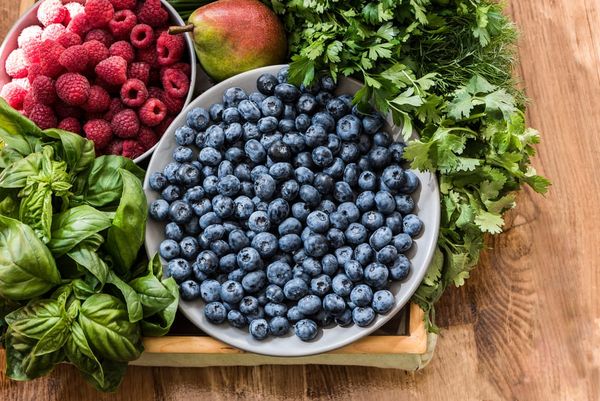
As people age, their requirements for certain vitamins and minerals may increase. To meet these needs, seniors should aim to consume a wide variety of nutrient-dense whole foods, including fruits, vegetables, whole grains, lean proteins, and healthy fats. A diverse diet helps ensure adequate intake of essential micronutrients that support bone health, immune function, and overall vitality.
Love them without losing yourself. The Boom Health app helps you manage your loved one’s home care in one app. Download the app from the App Store or Google Play Store.
This article is not intended to be a substitute for professional medical advice or diagnosis. Always seek the advice of your physician or another qualified health provider with any questions you may have regarding a medical condition.