
How seniors can improve physical activity and wellness
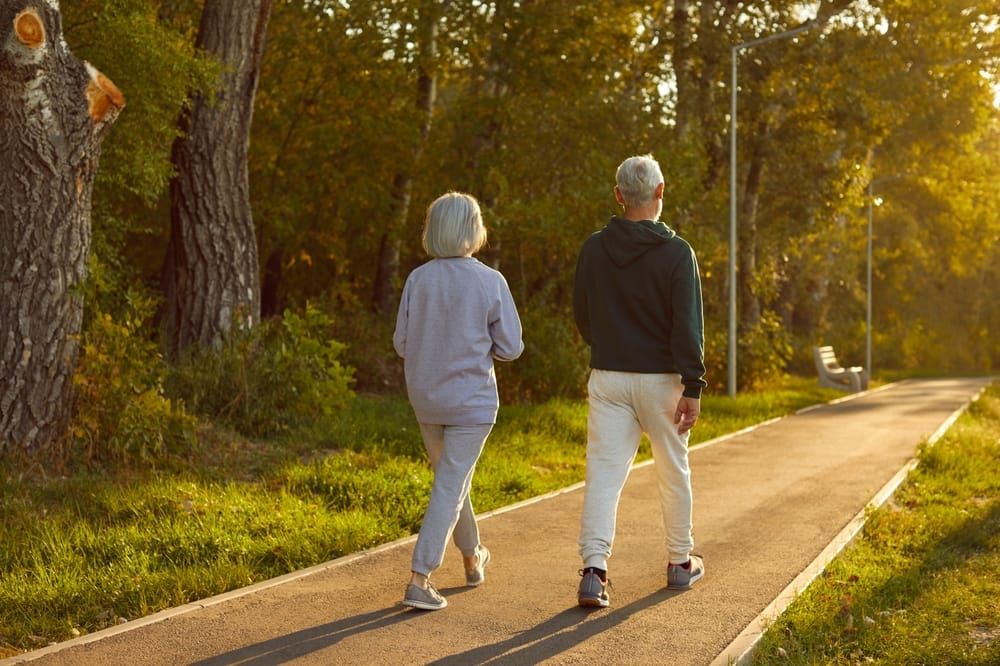
Exercise plays a vital role in maintaining overall health and well-being, particularly as we age. With advancing age, reduced physical activity can contribute to declines in strength, balance, mobility, and overall physical function. Although some older adults may worry about the risks associated with exercise, the benefits of staying active generally far outweigh these concerns. Regular physical activity stimulates the release of endorphins, neurotransmitters that help reduce stress and pain, while also supporting mental health, improving sleep quality, assisting with weight management, and strengthening muscles, which can help reduce the risk of falls.
Health guidelines recommend that older adults engage in at least two and a half hours of moderate-intensity aerobic activity each week, such as brisk walking, cycling, or lawn mowing. Alternatively, seniors can aim for one hour and 15 minutes of vigorous-intensity activity, including jogging, swimming, or skipping rope. Research shows that physically active older adults have a lower risk of developing conditions such as Alzheimer’s disease, diabetes, cardiovascular disease, and certain types of cancer. Regular exercise is also associated with improved digestion, stronger immune function, increased bone density, and more stable blood pressure.
Walking is one of the simplest and most accessible forms of exercise, making it an excellent option for many seniors. It places relatively little stress on the joints while still providing meaningful cardiovascular benefits. A common goal is to aim for approximately 10,000 steps per day to support an active lifestyle. Research published in PLOS suggests that consistently reaching this step count may reduce the risk of mortality over a ten-year period by nearly 50%.
Several types of exercise are particularly well suited for older adults. Water aerobics, for example, can be highly beneficial for individuals with arthritis or joint pain because the buoyancy of water helps reduce pressure on the joints while still allowing for effective movement and resistance. Resistance band exercises are another useful option, as they help strengthen muscles, improve balance and posture, and enhance mobility. These bands can be used for a wide range of exercises, including bicep curls, squats, and triceps extensions. Pilates focuses on core strength, controlled breathing, flexibility, and balance, while chair yoga offers a gentle, low-impact approach to movement that can help improve muscle strength, reduce stress on joints, and support mental well-being.
Even for those who may not enjoy structured exercise programs, there are many simple ways to incorporate more physical activity into daily life. Choosing the stairs instead of the elevator, taking regular walks around the neighborhood, or engaging in gardening and yard work can all help increase daily movement and contribute to better overall health.
The Boom Health app allows users to book registered nurses, personal support workers, and personal care services, schedule transportation, order prepared meals, rent or purchase medical equipment, and get emergency assistance. Download the app from the App Store or Google Play Store.
This article is not intended to be a substitute for professional medical advice or diagnosis. Always seek the advice of your physician or another qualified health provider with any questions you may have regarding a medical condition.