How to support healthy aging and reduce age-related changes

As we age, the body naturally undergoes a range of physiological changes across nearly all organ systems. These changes are largely driven by cellular processes such as apoptosis, where old or damaged cells are programmed to die, and a gradual reduction in the body’s ability to generate new cells at the same rate as in earlier life.
One of the most significant age-related changes occurs within the cardiovascular system. Over time, arteries and blood vessels tend to become stiffer due to the breakdown and loss of elastin fibers within vessel walls. This reduced elasticity can increase the risk of high blood pressure, cardiovascular disease, and complications that may also affect brain health, including dementia. Supporting cardiovascular health through regular physical activity, a balanced diet, and effective stress management can help reduce these risks and promote better long-term outcomes.
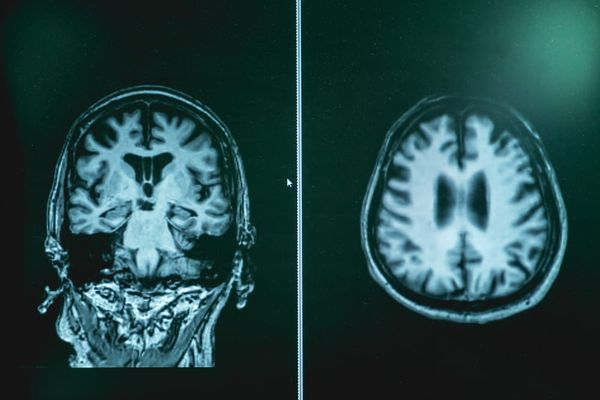
Cognitive changes are also common with aging, and memory decline is often linked to reduced blood flow to the brain as well as changes in neural connectivity. While some degree of cognitive change is normal, maintaining brain health is possible through ongoing mental stimulation, social engagement, and sufficient sleep. Activities such as reading, learning new skills, and maintaining strong social connections can all help support memory and cognitive function over time.
Bone health is another important area affected by aging. With age, bone remodelling shifts as the activity of osteoclasts (cells that break down bone) begins to outweigh that of osteoblasts (cells that build bone). This imbalance leads to a gradual decrease in bone density and an increased risk of osteoporosis, a condition in which bones become weaker and more prone to fractures. Ensuring adequate calcium intake, approximately 1,200 mg per day for older adults, along with weight-bearing exercise and vitamin D, can help maintain bone strength.
Vision changes are also a common part of aging. The lens of the eye becomes less flexible over time, making it more difficult to focus on close objects. In addition, changes in retinal and neural function can affect depth perception and visual clarity. Protecting eye health through regular eye examinations, limiting prolonged screen exposure, and wearing sunglasses to reduce UV damage can help preserve vision and reduce strain.
Although these changes are a natural part of aging, many of their effects can be managed or slowed through healthy lifestyle habits. Regular physical activity, balanced nutrition, cognitive engagement, preventive healthcare, and stress management all play important roles in supporting overall health and quality of life as we age.
Love them without losing yourself. The Boom Health app helps you manage your loved one’s home care in one app. Download the app from the App Store or Google Play Store.
This article is not intended to be a substitute for professional medical advice or diagnosis. Always seek the advice of your physician or another qualified health provider with any questions you may have regarding a medical condition.