
How seniors can stay safe on the roads
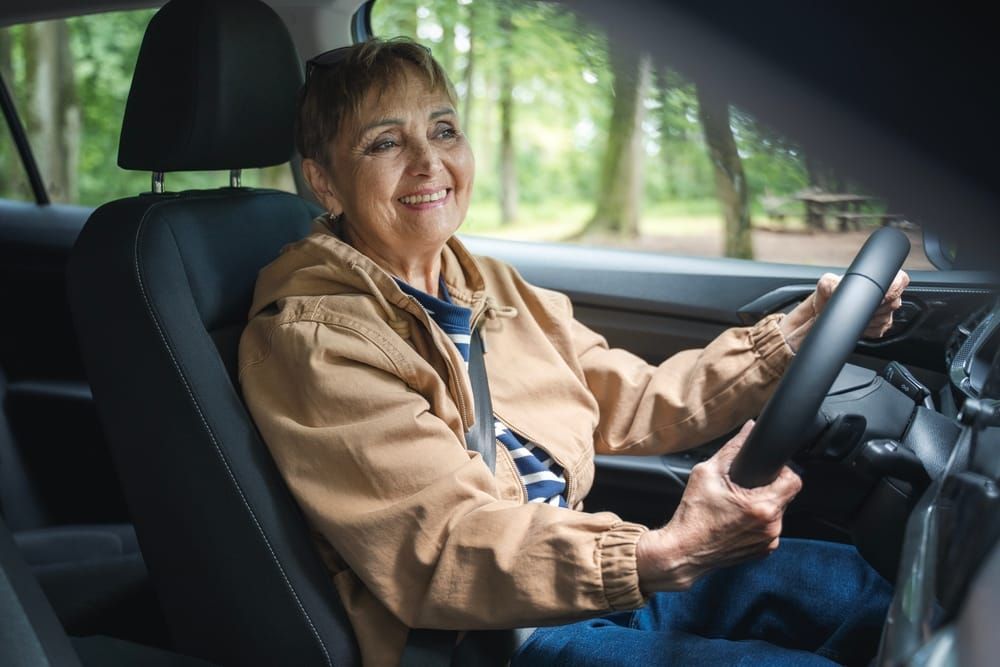
Driving can become more challenging with age due to changes in physical and sensory abilities. Slower motor responses, reduced vision or hearing, and longer reaction times may affect a person’s ability to respond quickly to road conditions. Despite these challenges, the number of older drivers has increased significantly, by about 60% over the past two decades. For many seniors, driving remains an important way to maintain mobility, independence, and connection to their communities. However, prioritizing safety is essential, particularly because older adults may experience slower or less complete recovery following accidents.
The following strategies can help seniors continue to drive safely:
1. Schedule regular vision and hearing checkups: Vision and hearing often change with age, and both are critical for safe driving. Regular eye and hearing exams can help identify issues early and ensure that glasses, hearing aids, or other corrective measures are up to date.
2. Minimize distractions: Staying focused on the road is essential for safe driving. Avoid activities such as eating or using a mobile phone while driving. If you need to make a call or send a message, pull over to a safe location, such as a parking lot, before doing so.
3. Drive during daylight and favorable weather conditions: Reduced visibility and adverse weather conditions such as rain, snow, wind, or icy roads can increase driving difficulty. When possible, plan trips during daylight hours and avoid driving during poor weather. If conditions are not ideal, consider using public transportation, rideshare services, or asking a family member or friend for assistance.
4. Choose comfortable and familiar routes: If highways or heavily trafficked streets feel overwhelming, consider planning routes that use quieter roads. Allowing extra travel time can also reduce stress and help maintain a comfortable driving pace.
5. Be aware of medication effects: Certain medications can cause side effects such as drowsiness, dizziness, or slowed reaction times, which may affect driving ability. Seniors should speak with their healthcare provider or pharmacist to understand how their medications might influence their ability to drive safely.
6. Avoid peak traffic hours: Heavy traffic can increase stress and make driving more demanding. Whenever possible, try to schedule trips during quieter times of the day to make driving easier and safer.
7. Keep your vehicle well maintained: Regular vehicle maintenance helps ensure safe driving conditions. This includes keeping windshields, mirrors, and headlights clean, as well as scheduling routine maintenance such as oil changes and mechanical inspections.
For seniors who have not driven for some time but would like to return to driving, a refresher course can be helpful. Many community organizations and driving schools offer programs designed to help older adults rebuild confidence, update their knowledge of road rules, and strengthen safe driving skills.
Love them without losing yourself. The Boom Health app helps you manage your loved one’s home care in one app. Download the app from the App Store or Google Play Store.
This article is not intended to be a substitute for professional medical advice or diagnosis. Always seek the advice of your physician or another qualified health provider with any questions you may have regarding a medical condition.