
How social connections improve health in older adults
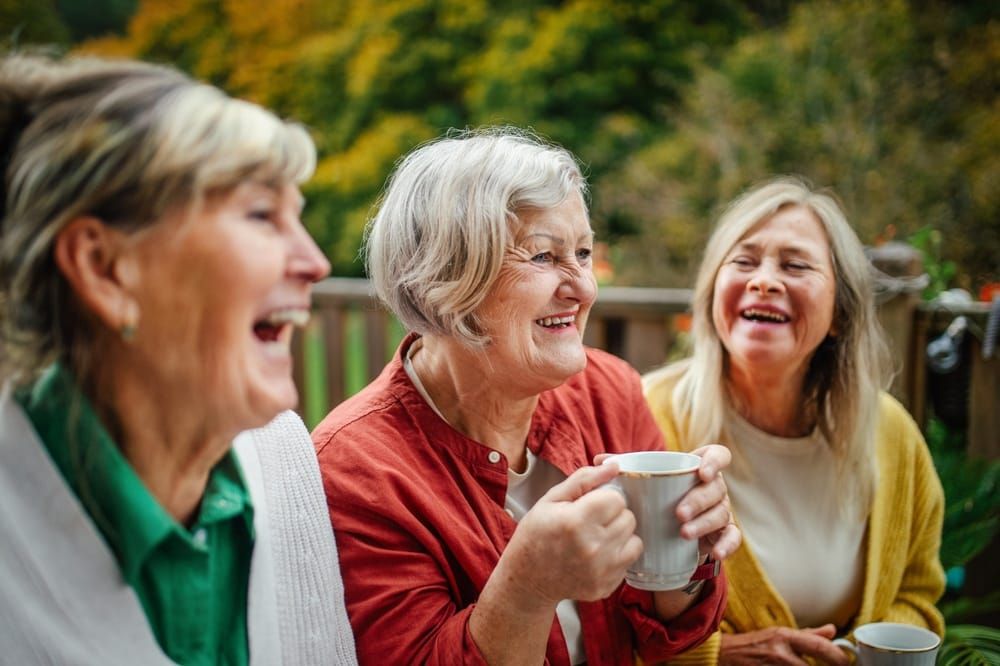
As we age, health changes and mobility challenges can sometimes lead to increased isolation, making time spent with family, friends, and community members even more important. Social connections play a meaningful role in supporting physical health, mental well-being, and overall quality of life. In fact, research shows that older adults who maintain regular social interaction tend to experience better health outcomes and lower mortality risk compared to those who are socially isolated.
Social isolation is also a significant risk factor for depression in seniors and can develop for many reasons, including loss of loved ones, reduced mobility, retirement, or changes in living arrangements. Because of this, maintaining strong social ties is an important part of healthy aging and emotional resilience.
Regular social interaction offers a wide range of health benefits. Staying connected with others can improve overall quality of life by fostering a sense of belonging, purpose, and enjoyment, which can contribute to both emotional wellbeing and longevity. Social engagement has also been shown to help reduce stress and lower blood pressure by promoting the release of hormones that help regulate mood and decrease anxiety.
In addition, social connections can reduce the risk of depression by providing emotional support and reducing feelings of loneliness. They may also help support immune function, which is especially important in older adults, potentially lowering susceptibility to illness such as colds and flu and supporting overall cardiovascular health.
Social interaction is also beneficial for brain health. While some cognitive changes are a normal part of aging, staying socially active can help slow cognitive decline. Seniors who regularly engage with others often demonstrate better memory, improved verbal skills, and faster cognitive processing compared to those who are more isolated.
Beyond physical and cognitive benefits, social connections can also improve self-esteem and provide a sense of identity and purpose. Feeling valued and connected to others can have a strong positive impact on emotional wellbeing and overall life satisfaction.
Ultimately, maintaining meaningful social relationships is a key component of healthy aging. Whether through family interactions, friendships, community programs, or group activities, staying socially engaged can support both mental and physical health in important and lasting ways.
Love them without losing yourself. The Boom Health app helps you manage your loved one’s home care in one app. Download the app from the App Store or Google Play Store.
This article is not intended to be a substitute for professional medical advice or diagnosis. Always seek the advice of your physician or another qualified health provider with any questions you may have regarding a medical condition.