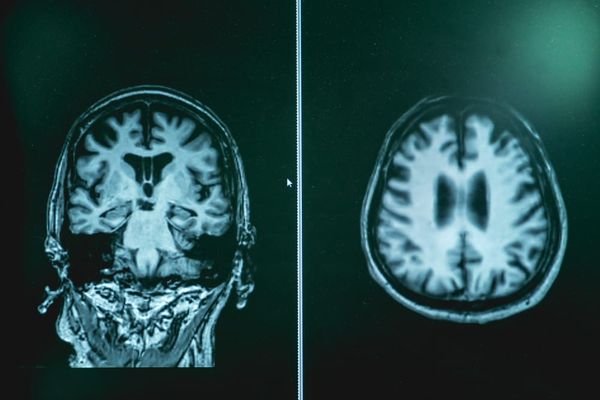
What is Vitamin D and why is it important for seniors?
Vitamin D plays an important role in supporting healthy aging. The body produces vitamin D when the skin is exposed to sunlight, and this nutrient is essential for maintaining strong bones and muscles, supporting heart health, aiding calcium absorption, and helping regulate immune function. Many older adults experience vitamin D deficiency, which can lead to symptoms such as fatigue, weakness, poor appetite, nausea, constipation, and confusion. To help maintain adequate levels, health guidelines generally recommend that adults up to age 70 consume about 600 international units (IU) of vitamin D per day, while those over 70 aim for approximately 800 IU daily.
Older adults are at greater risk of vitamin D deficiency for several reasons. Seniors often spend less time outdoors, resulting in reduced exposure to sunlight. In addition, the skin becomes less efficient at producing vitamin D with age, and the kidneys may become less effective at converting vitamin D into its active form within the body.
Adequate vitamin D is particularly important for bone health. Osteoporosis, a condition that weakens bones and increases the risk of fractures, is relatively common among older adults. Fragile bones can make individuals more susceptible to fractures from falls or even minor stresses such as bending or coughing. Maintaining sufficient vitamin D levels helps support calcium absorption and bone strength, which can reduce the risk of these complications.
Research has also suggested a link between low vitamin D levels and mental health in older adults. Some studies have found that individuals with depressive symptoms tend to have lower vitamin D levels, with this association appearing particularly strong among older women. While vitamin D is only one factor influencing mental health, maintaining adequate levels may contribute to overall well-being.
Vitamin D may also play a role in maintaining oral health. Because it helps the body absorb calcium, it supports the health of teeth and bones in the jaw. Inadequate vitamin D levels can contribute to calcium deficiencies, which may increase the risk of tooth decay, tooth loss, and gum disease.
To maintain healthy vitamin D levels, seniors can increase safe sun exposure when possible, take vitamin D supplements if recommended by a healthcare provider, and include vitamin D–rich foods in their diet. Good dietary sources include red meat, oily fish such as salmon and herring, and egg yolks. Combining these strategies can help support bone health, immune function, and overall well-being in older adults.
Love them without losing yourself. The Boom Health app helps you manage your loved one’s home care in one app. Download the app from the App Store or Google Play Store.
This article is not intended to be a substitute for professional medical advice or diagnosis. Always seek the advice of your physician or another qualified health provider with any questions you may have regarding a medical condition.